
Birds Fly, Fish Swim, and Children Play
As a tribute to the recent passing of Garry Landreth, it feels important to acknowledge the contribution he made to the world of play therapy. As a trainee play therapist, I found Play Therapy: The Art of the Relationship inspiring. It opened up a completely new way of thinking about children, play, and the therapeutic process.
One of the ideas for which Landreth became most well known was his understanding that play is a child's natural language. While adults communicate primarily through words, children often communicate through play. As Landreth wrote, "Play is the child's symbolic language of self-expression."
This understanding shaped the way he thought about the playroom itself. One section of the book that particularly stayed with me was his discussion of toy selection. Landreth argued that toys should not simply entertain; they should offer children opportunities to express emotions, relationships, creativity, nurturing, mastery, and even aggression in safe and meaningful ways. He emphasised that a therapeutic playroom is not about having more toys, but about choosing them thoughtfully.
Reading this now makes me wonder about the opportunities children have for this kind of play today. It often feels as though screens have displaced some of the rich, imaginative play experiences that Landreth valued so highly. He described play as a space where children can experiment, explore feelings, gain mastery, and work through situations that have not gone as they hoped.
Yet the central message of Landreth's work was not really about toys at all. As the title of his book suggests, it was about relationship. His lasting contribution was not a collection of techniques but a way of being with children. He reminded us that children grow in the context of relationship, and that our role is not to direct the process but to create the conditions in which healing and growth can emerge.
A further theme running through his work is the invitation to enter the child's world rather than expecting the child to enter ours. Child-centred play therapy requires humility, curiosity, and a willingness to learn. Landreth often spoke about how much children taught him. As I have written before, I find myself wondering how open we are to this idea. What do the children we live or work with teach us? About themselves, about the world, and perhaps even about ourselves?
As the play therapy community reflects on his passing, many of us will no doubt find ourselves returning to the simple but profound principles that run through his work: trust the child, value the relationship, and respect the meaning held within play. His legacy lives on every time a therapist sits with a child and chooses relationship over direction, presence over technique, and understanding over control.
"Birds fly, fish swim, and children play."
Landreth spent a lifetime reminding us not to forget it.
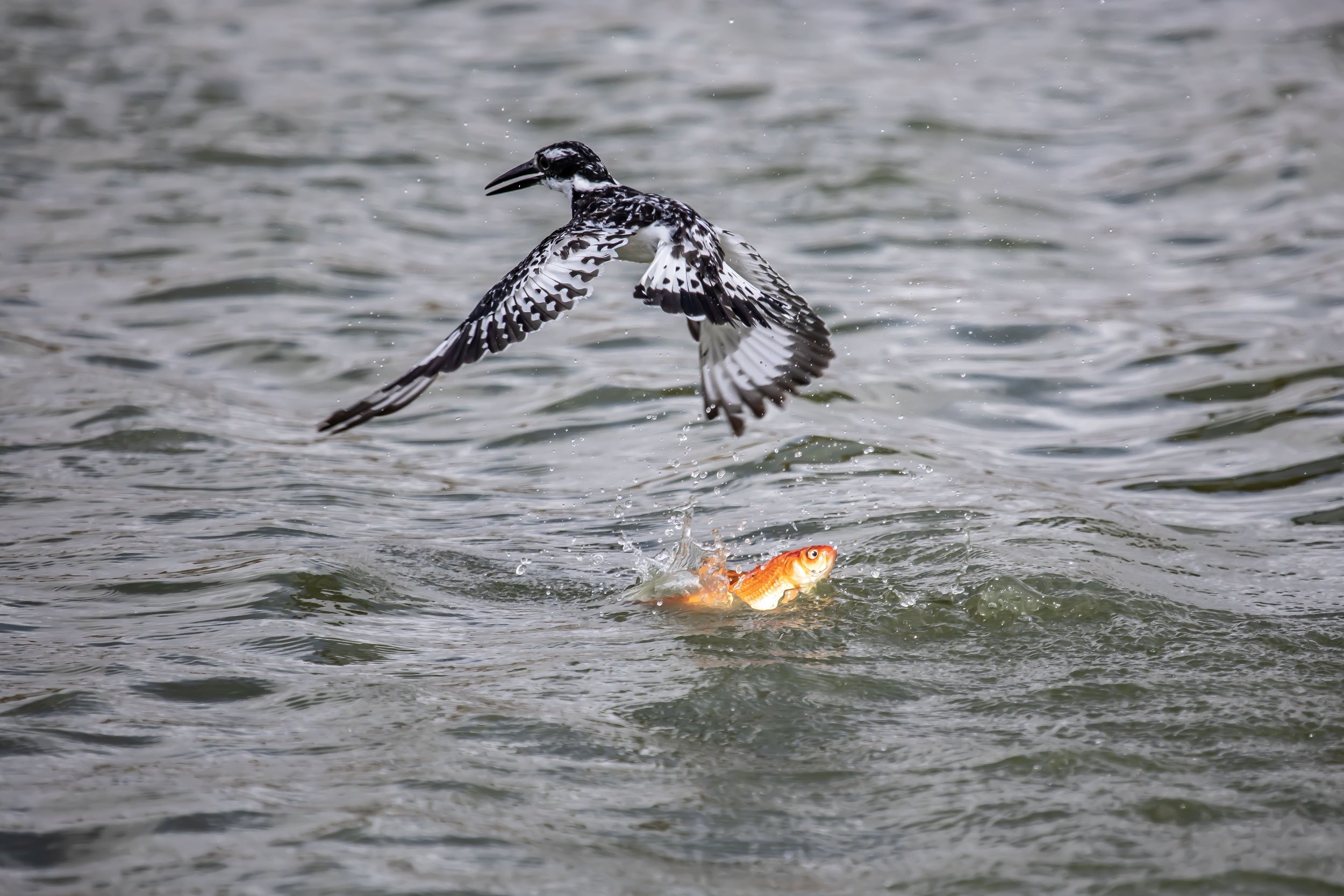
Birds fly, fish swim, children play
Download PDF here