
Play as Language: What Children Show Us When Words Aren’t Enough
I’m sure I’ve said before how neglected play becomes as we get older. Our lives fill with responsibilities and routines, and we give far less attention to the very things that allow us to explore experiences through a non-cognitive lens.
For children, play is their first language. It’s how they communicate, experiment with different outcomes, and make sense of the world around them. Through play, children can safely imagine alternatives, process present situations, and express feelings that may feel too big, confusing, or unsafe to put into words.
Perhaps some examples will help bring this to life.
A five-year-old was feeling angry. It was bedtime (a familiar trigger) and she needed a way to express what was building inside her. She picked up a tiny soft hedgehog toy and lobbed it across the room. The caring adult gently wondered whether the hedgehog liked that. The child replied that the hedgehog did like it, because it liked helping her when she felt mad, and throwing things was helping her “mood”.
What a safe and contained way to express anger. The toy became a vehicle for the feeling, allowing the child to think about what was happening for both her and the hedgehog, and what was helping in that moment. That anger could have gone in many other directions. As a play therapist, even the choice of a hedgehog might feel meaningful – offering a metaphor for prickliness, protection, or intensity.
In another example, a slightly older child came to play therapy following the loss of her mother. In the sand tray she created a holiday scene that her parents had taken before she was born – but she added herself into it. This could have been an expression of her longing to have the whole family together on this special holiday. Soon after, she added other family members, perhaps to soften or dilute the intensity of the feeling. Through play, she was able to explore something impossible, feel into it, and express a deep desire – all without needing to explain it cognitively.
Play joins so many dots.
It gently moves us away from our over-analytical, logical left-brain way of approaching life and invites flexibility, presence, and right-brain connection. It opens a pathway for expression and exploration that cognitive understanding alone simply doesn’t allow.
Bringing it all together
Play offers children – and adults – a bridge between feeling and meaning. It provides a safe container for big emotions, a language for the unspeakable, and a space where alternative endings can be imagined. Through metaphor, movement, and creativity, play supports integration: of experiences, of emotions, and ultimately of the brain itself.
In a world that so often prioritises thinking over feeling and productivity over presence, play quietly reminds us of something essential – healing happens in relationship, in creativity, and in moments where we are allowed to simply be. When we honour play, we honour the child’s inner world, and we make space for connection, repair, and growth.
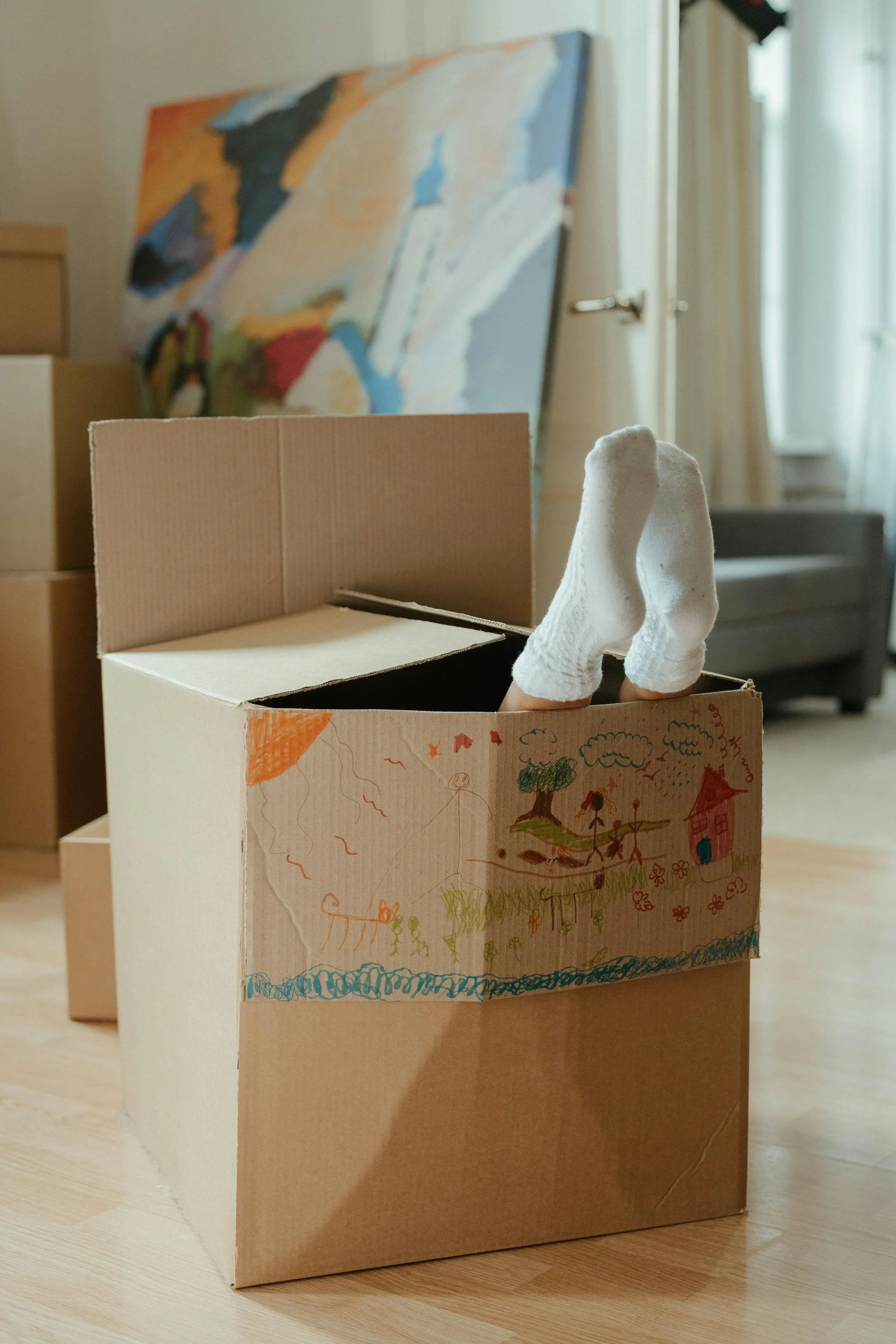
Where are you going today?!
Download PDF here