
The Dragon Means What the Child Says It Means
My first introduction to play therapy involved a simple but profound invitation: allow a symbol to “choose me,” and then use that symbol to introduce myself.
At the time, I remember thinking, What is this all about? It felt abstract, slightly uncomfortable. Yet over the years, I have come to deeply appreciate the richness symbols offer. They carry layers of meaning, emotion, and experience that often sit far beyond words.
When a child walks into a playroom for the first time, they are met with a wide array of symbolic objects; figures, animals, mythical creatures, buildings, natural elements. To an adult, these may appear as ordinary toys. To a child, however, they are possibilities. Each object holds potential meaning shaped by that child’s unique experiences, relationships, fears, hopes, and inner world.
Importantly, symbols rarely represent only what they literally are. A small animal, a superhero, or a mythical creature becomes something much more. The meaning attached to it belongs entirely to the child. It is filtered through their understanding and feelings, a meaning that no one else can fully comprehend from the outside.
A symbol therefore becomes more than a vehicle of expression; it carries a depth that is personal and specific. As therapists or caregivers, it can be challenging not to overlay our own interpretations. We are naturally meaning-makers. Yet the discipline of play therapy calls us to pause, to remain curious, and to see the symbol as the child sees it and not as we assume it to be.
Take the symbol of a dragon. In some cultures, the dragon represents celebration, wisdom, protection, and power (awe-inspiring rather than frightening). In other contexts, it symbolises fire, destruction, and danger. For some, it may represent heroism – something to overcome or something to embody.
If a child chooses a dragon in the playroom, which meaning is correct? The answer is simple: the one the child gives it. The outsider cannot impose an interpretation because the meaning resides within the child’s internal world.
In sand tray work especially, symbols often carry the essence of important figures, for example, a parent, sibling, teacher, or even parts of the child themselves. With gentle curiosity and the child’s guidance, the therapist may begin to glimpse the relational dynamics being expressed.
Yet without the child’s narrative, the therapist can only wonder. It is the child who holds the key to understanding.
Symbols open possibilities in ways that spoken language alone often cannot. They bypass defences. They allow expression without direct exposure. They create a bridge between the inner and outer world.
When I introduced myself through a symbol that first day, I revealed aspects of myself I might never have consciously articulated. The symbol captured something of my essence – shaped by my experiences and reflective of how I was feeling in that moment. It spoke for me before I had the words.
Symbols remind us that meaning is deeply personal and cannot be assumed. In play therapy, symbols create a safe distance for children to explore powerful emotions, relationships, and experiences without being overwhelmed. They allow expression where words may be limited or too threatening.
To work symbolically is to trust the process – to trust that the child’s inner world will emerge in its own time and in its own language. When we resist the urge to interpret too quickly and instead stay present, curious, and attuned, symbols become a doorway. Through them, we are invited into the child’s story. Not as authors, but as compassionate witnesses.
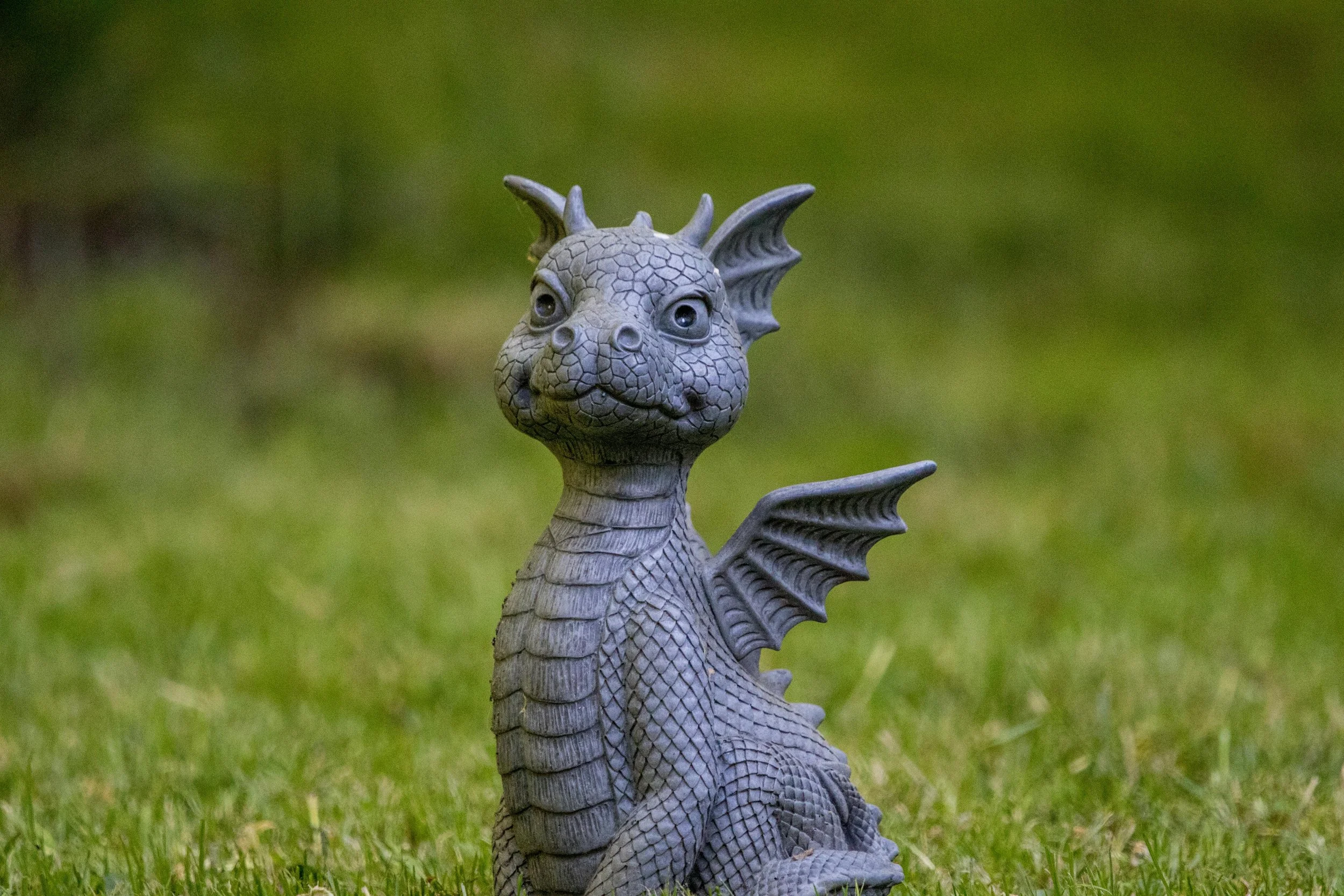
What is this dragon saying?
Download PDF here