
When Feelings Find a Sound
Music therapy is a profession in its own right, and as a play therapist I would never claim to do it justice. However, music is very much part of the play therapy toolkit, and it is such a powerful medium that it deserves recognition in its own right.
Music has an extraordinary ability to transport us – back to a place, a moment, a relationship. It evokes feelings and memories, sometimes before we are even consciously aware of them. It is deeply sensory; it seems to move through us, not just around us. I’m sure each of you reading this can name a song or piece of music that you associate with something meaningful. Whenever I hear Enya, I think of my dad. When I hear Cheer Up Sweet Eugene, I picture my sister sitting on a stool in our front room, swaying along. Some pieces of music bring tears to my eyes, while others make it impossible not to get up and dance.
Music communicates emotion in a way that can feel more direct than words. It allows us to experience, express and share feeling, sometimes without needing to explain it.
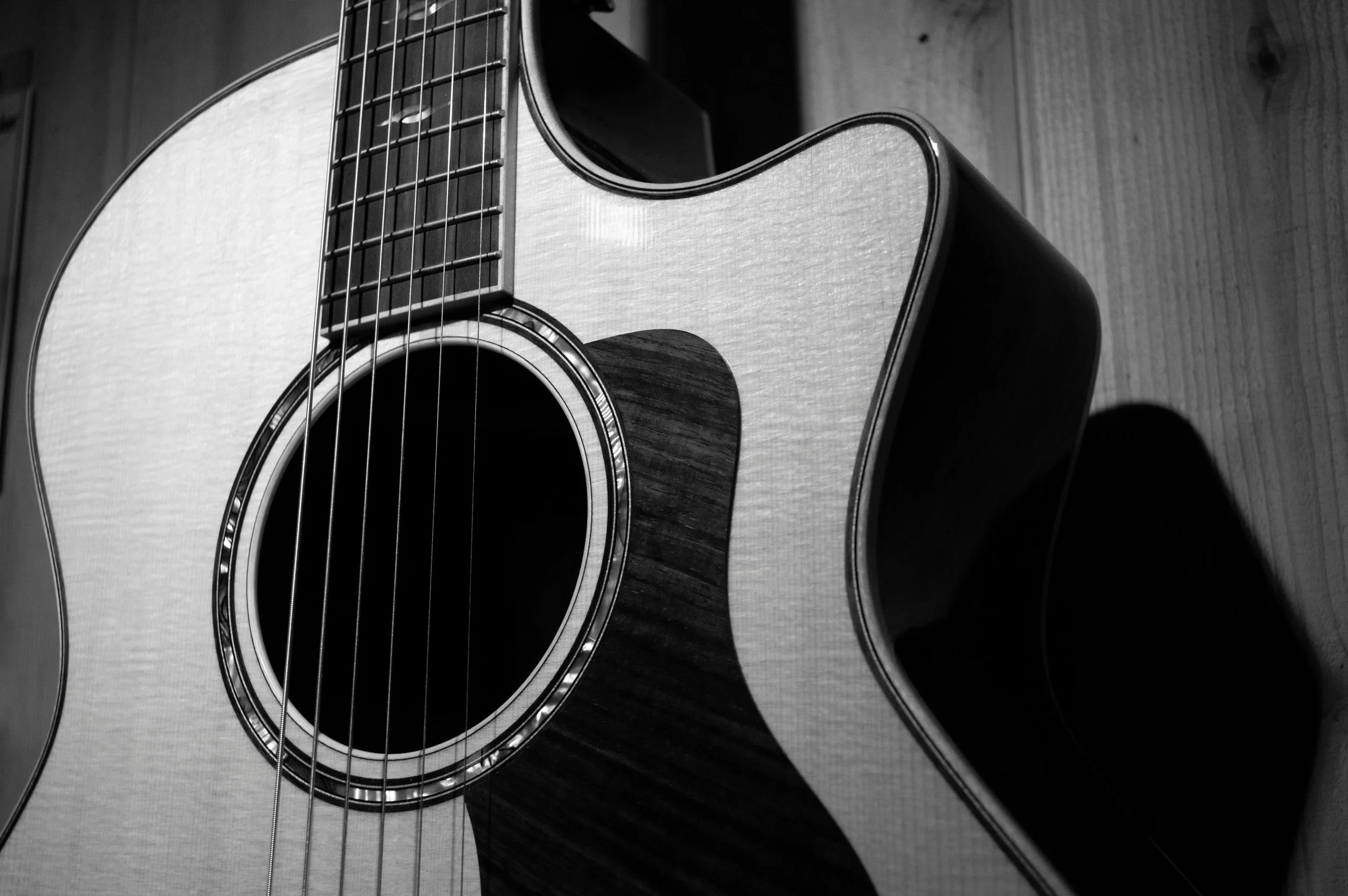
One client I have seen for play therapy often brings his guitar to sessions. He doesn’t “play” in the traditional sense, yet the way he uses the guitar is more expressive than words might ever be. The guitar enables him to name a feeling, and the way he strums, plucks or pounds the strings shows the full-body experience of that emotion. His facial expression, posture and movement all align with the sound he produces. Together, they create something deeply authentic.
This child has been described as struggling with emotional literacy. Yet when he has his guitar, the expression (and the understanding) are clearly present. The music holds what words cannot yet carry.
From a therapeutic perspective, music can bypass the cognitive demand of “finding the right word” and instead access something more embodied. Rhythm, tone and volume allow children to externalise internal states safely. Music offers distance – the feeling can live in the sound – while also offering connection, as it is witnessed and shared. For some children, especially those whose early experiences were overwhelming or pre-verbal, music may reach places that language simply cannot.
Music communicates something that words sometimes can’t. It evokes feelings that language struggles to contain. It creates a shared experience between therapist and child, a moment of attunement.
Perhaps that is why music feels so powerful in the playroom. It meets the child exactly where they are, without demanding explanation. It honours the emotional experience in its raw, sensory form. And in doing so, it reminds us that healing does not always begin with words – sometimes, it begins with a sound.
What shall I say today?