
Why Structure Isn't Boring – It's Safety
When we take a step back and think about what structure actually does, it suddenly feels much more important.
Imagine roads with no structure. Chaos. Imagine hospitality with no structure: rooms would be double-booked, not ready in time, and meals would arrive whenever they happened to be finished. Structure brings order and predictability.
Some people might read that and think, "That sounds boring – where's the fun in that?" And sometimes that's true. A break from routine can feel freeing and exciting.
But for many children, particularly those who have experienced early trauma, predictability isn't boring. It's survival.
As we head into the summer holidays, parents often fall into one of two camps: those who look forward to the lack of routine and those who dread the endless weeks of entertaining children, organising childcare and juggling work around it all. For those caring for children with developmental trauma, there is often an additional challenge – trying to create enough predictability to prevent daily dysregulation.
So why is structure so important for these children?
Too many times in their lives they have been left in heightened states of anxiety, wondering what frightening event might happen next. Their nervous systems barely have time to settle before they are thrust back into fight, flight or freeze. Living in this state is exhausting and creates internal chaos.
To cope, children develop strategies that help them regain some sense of control and safety. These strategies look different from child to child, but the message underneath them is often the same: I need to survive this.
Even when they are no longer in threatening situations, their brains remain wired to expect danger. When something doesn't go as expected, it can trigger the same feelings of uncertainty and fear. The brain craves what it knows, and the unknown can feel deeply unsafe.
This is why some children try to regain control by recreating familiar patterns. They may push a caring adult until they finally shout, run away from a situation, or fight back with aggressive behaviour or language. To us, the reaction can seem disproportionate. To them, their brain is responding as though there is a genuine threat.
This is why the school holidays can be so challenging. Although school itself may be a source of difficulty, it also provides something incredibly important: structure, routine and predictability. When that disappears, many children feel untethered.
And for the adults caring for them, it can feel just as overwhelming.
So what can we do?
Perhaps the most important starting point is acceptance and empathy. Recognising that this time of year may genuinely feel difficult for a child allows us to respond with compassion rather than frustration. We may not be able to remove all uncertainty from the holidays, but we can provide small anchors of predictability – a visual timetable, consistent mealtimes, familiar rituals or simply preparing children for changes before they happen.
Because for children who have lived with chaos, structure isn't about control or rigidity. It's about safety. And when children feel safe, they are far more able to rest, connect and enjoy the moments that the holidays can bring.
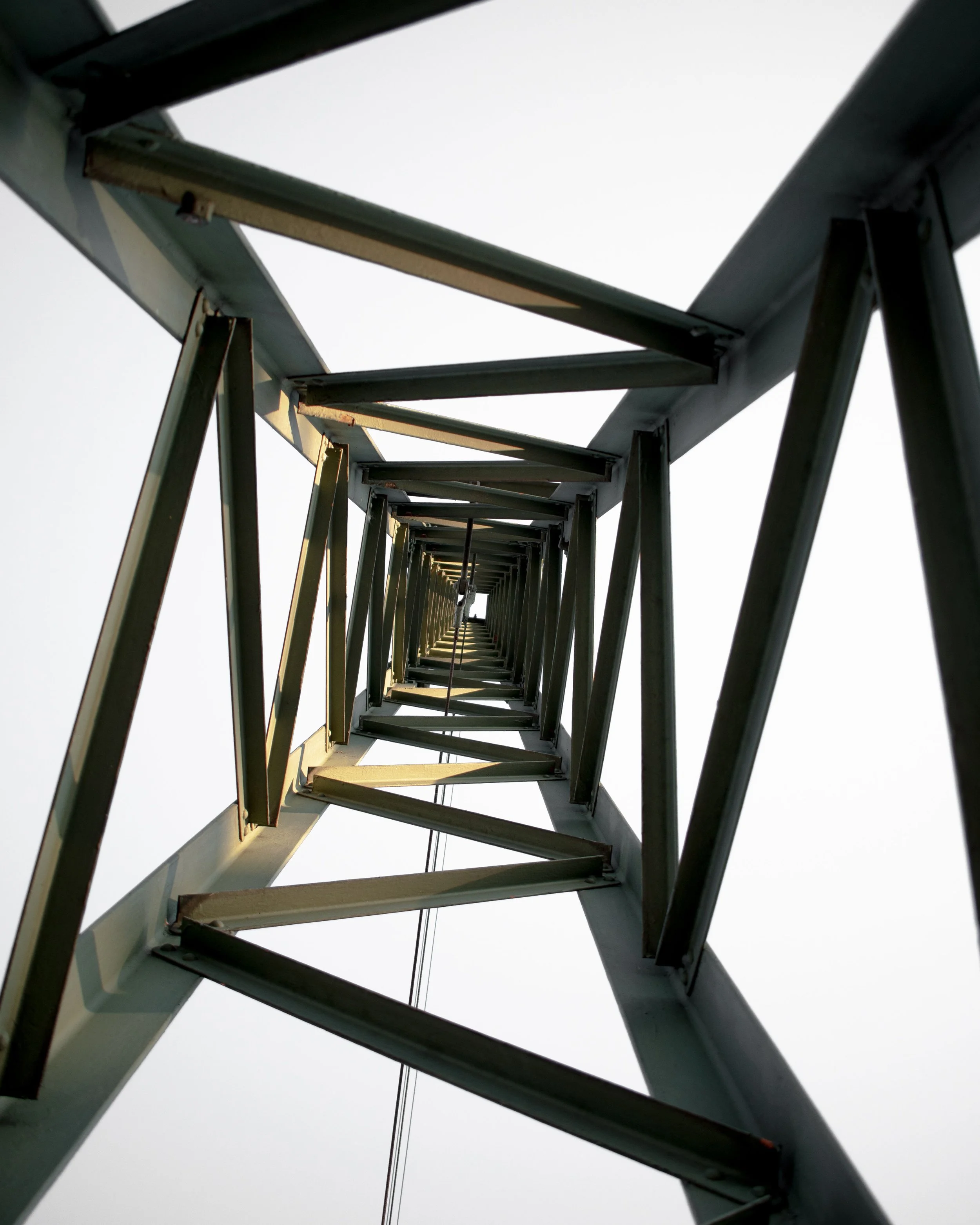
What does this look like to you - structure or chaos?
Download PDF here