
Worms, Roadworks & Big Feelings
Last week, we explored the beginning of the therapeutic process in play therapy and the importance of relationship. This week, we’re taking a deeper look at something that often emerges once therapy begins: the “can of worms” moment.
It’s understandable to wonder why we would revisit experiences that feel buried, especially when we may already have coping strategies that help us get through daily life. Often, those coping strategies do work in many ways. But sometimes the feelings we’ve pushed down still find ways to surface – through behaviours, emotional reactions, anxiety, shutdown, anger, or a constant need to stay in control. Over time, coping can quietly become surviving, and surviving can begin to limit how freely we live.
When we begin to process difficult experiences in therapy, we slowly start to take ownership of the feelings connected to them. Rather than those feelings controlling us from the background, they become something we can begin to understand, name, and hold more safely. In time, they often feel less overwhelming and less frightening.
But in the early stages, this process can feel incredibly messy. Like opening a can of worms and suddenly not knowing where all the worms belong. For children especially, this can sometimes look like a regression in behaviour. Emotions may feel bigger, reactions stronger, and things that once seemed “managed” may suddenly feel close to the surface again.
If you’ve ever experienced your own therapy, you may recognise this feeling. There can be moments when things you had carefully packed away suddenly feel very real again. For a while, it can seem harder before it feels easier.
It’s a little like when a new road system is being built. Before the smooth roads appear, there’s disruption everywhere – temporary traffic lights, diversions, confusion, long queues, and frustration. It can feel chaotic. But eventually, a clearer and more effective route begins to emerge, one where traffic flows more smoothly than before. Therapy can feel very much the same. Sometimes things become unsettled before healing and integration can happen.
In therapy, uncomfortable feelings and long-buried memories are often brought closer to the surface. And when we feel emotionally stirred up, those feelings usually come out somewhere. Think about the times when something small (perhaps someone cutting you up on the road and insisting you were in the wrong) leaves you irritated and dysregulated. Who is most likely to experience the impact of those feelings? Usually the next safe person we encounter.
For children moving through the therapeutic process, that safe person is often their caring adult.
That can feel exhausting and deeply challenging. It asks us to dig deep for empathy, patience, and acceptance whilst holding some very big feelings. But this stage does not last forever. As therapy continues, and as the child experiences safety, consistency, and attuned relationships over time, change begins to happen. New neural pathways are formed. Regulation slowly becomes more possible. Balance gradually returns.
What matters most is that we do not rush the process.
Healing cannot be forced, and children cannot repeatedly revisit painful experiences beyond what they are able to tolerate. Therapy is a dance of moving closer and stepping back; of attuning carefully to what a child can manage and recognising when they need space to breathe, regulate, play, and simply be. The relationship remains the guide throughout.
And perhaps that’s the most important thing to remember: when things feel messier at the start of therapy, it does not necessarily mean things are going wrong. Often, it means something important is finally being safely felt, understood, and worked through – with someone alongside them who can help carry it.
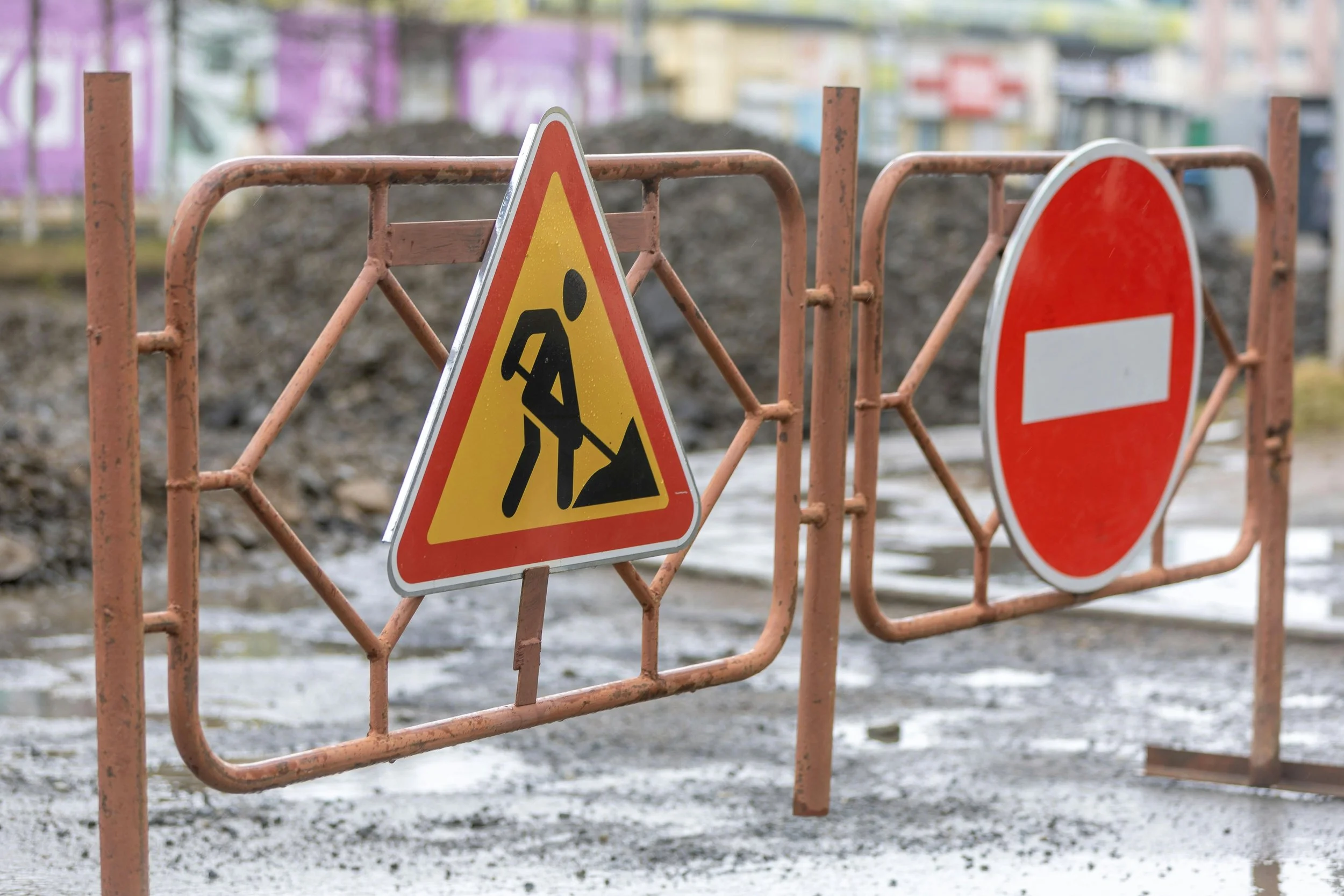
Our favourite road sign…
Download PDF here